What is Consolidated Shipping?
If you've ever shipped a partial truckload and wondered why you paid full freight rates for half-empty space, you're not alone. This is exactly the problem that consolidated shipping was built to solve. Understanding what consolidated shipping is can save your business real money, especially if you regularly move smaller loads that don't fill an entire trailer.
What is Consolidated Shipping, Exactly?
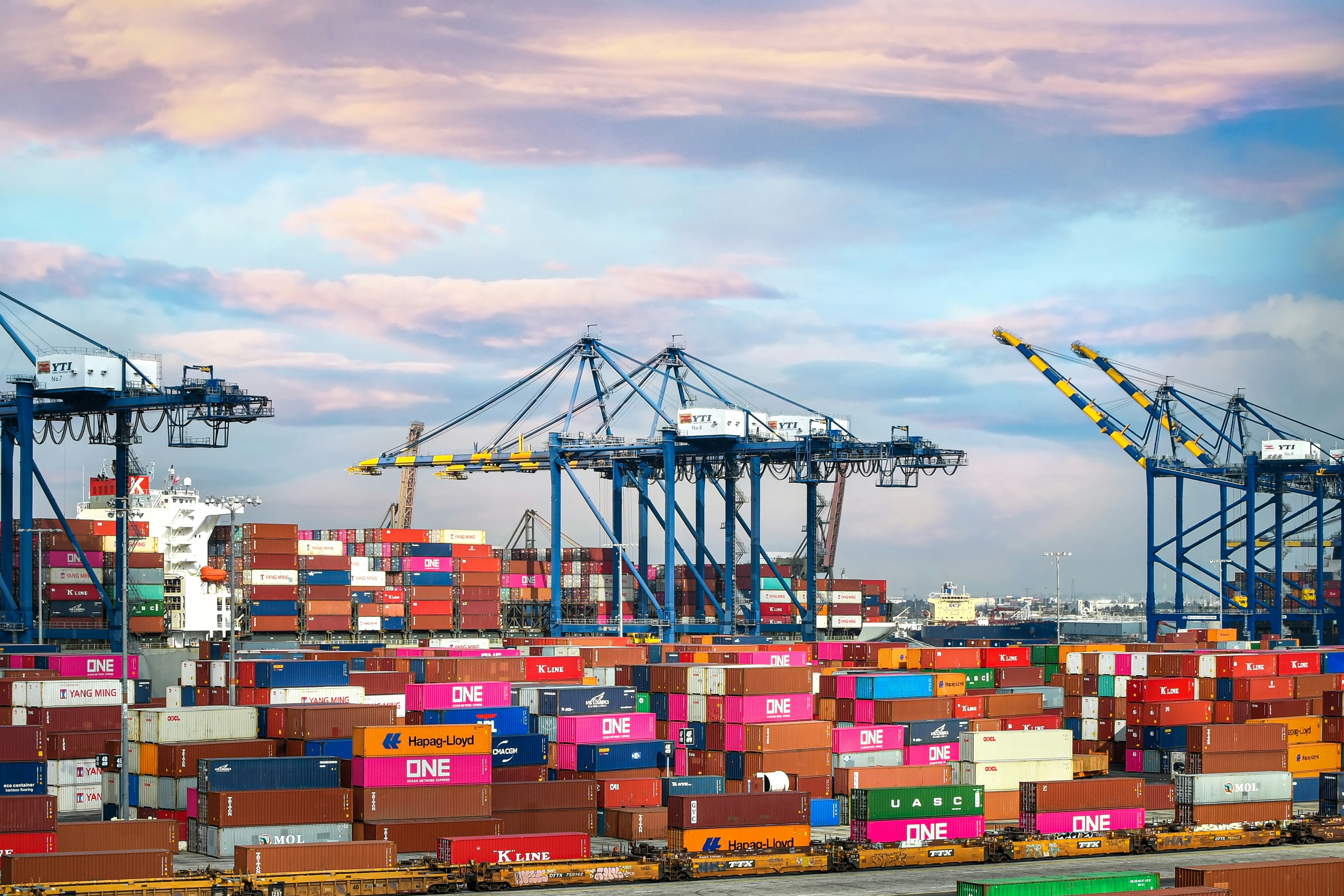
Consolidated shipping is a freight method where multiple smaller shipments from different customers get combined into a single truckload or container. Instead of one company paying for an entire truck to carry a half-full load, several businesses share that same space and split the cost based on the weight, size, or volume of their individual shipments.
Think of it like carpooling, but for cargo. Each shipper pays only for the portion of the truck their goods actually occupy, rather than footing the bill for empty space that goes unused. This approach makes consolidated freight shipping one of the most cost-effective options available for businesses that ship less-than-truckload (LTL) quantities on a regular basis.
How Does It Work?
A consolidated shipment typically follows a straightforward process:
- Collection: A freight carrier or logistics provider gathers smaller shipments from multiple shippers heading in the same general direction.
- Consolidation: These shipments get grouped together at a distribution center or warehouse, often called a consolidation hub.
- Loading: The combined freight is loaded onto one truck, railcar, or ocean container, maximizing the available space.
- Transport: The load travels to a destination hub, where it gets broken down again.
- Deconsolidation and Delivery: Individual shipments are separated and delivered to their respective final destinations.
This system works because most LTL shipments don't need a dedicated truck all to themselves. By combining loads, carriers reduce the number of trucks on the road, cut fuel costs, and pass those savings along to shippers.
Why Businesses Choose Consolidated Freight Shipping
There's a reason freight consolidation services have become a go-to solution for small and mid-sized businesses across the United States. Here's what makes this shipping method so appealing:
1. Lower Shipping Costs
Since costs are shared among multiple shippers, businesses only pay for the space and weight their cargo actually uses. This can lead to significant savings compared to booking a dedicated truck for a partial load.
2. Reduced Handling and Damage Risk
Fewer transfers between vehicles mean less handling overall. When shipments are consolidated thoughtfully, goods experience fewer touchpoints, which lowers the risk of damage during transit.
3. Environmental Benefits
Fewer trucks on the road, each running closer to full capacity, means lower fuel consumption and reduced emissions per shipment. Companies focused on sustainability often favor consolidated options for this reason.
4. Predictable Transit Times
Reputable freight consolidation services operate on set schedules, meaning your shipment moves according to a reliable timeline rather than waiting indefinitely for a truck to fill up on its own.
5. Access to Nationwide and International Networks
Many logistics providers offer consolidated freight shipping not just domestically, but across international supply chains too, connecting small businesses to global markets without requiring them to book full containers.
Consolidated Shipping vs. Standard LTL Shipping
It's worth clarifying a common point of confusion. Standard LTL shipping already involves sharing truck space with other shippers, but consolidated shipping takes this a step further. A consolidated shipment is often strategically planned by a logistics provider that actively groups compatible freight together, optimizes routing, and manages the entire process from pickup to final delivery. This hands-on coordination typically results in better rates and more efficient transit compared to standard LTL bookings made without a consolidation strategy.
Who Benefits Most from Consolidated Shipping?
This shipping method makes the most sense for:
- E-commerce businesses shipping smaller, frequent orders
- Manufacturers sending partial loads to distributors
- Retailers restocking multiple locations without full truckloads
- Importers and exporters moving goods internationally without needing a full container
If your shipments rarely fill an entire truck or container, consolidated freight shipping is almost certainly worth exploring.
How to Choose the Right Freight Consolidation Partner
Not all providers handle freight consolidation services the same way. When evaluating a logistics partner, consider these factors:
- Network coverage: Does the provider have consolidation hubs and routes that match your shipping lanes?
- Transparency: Can you track your shipment through each stage of consolidation and transport?
- Experience with your freight type: Some cargo requires specialized handling, temperature control, or documentation.
- Customer support: Responsive communication is important when your shipment is combined with others.
About All EN Logistics
All EN Logistics specializes in helping businesses across the United States move freight efficiently, whether that means a single consolidated shipment or a full truckload. We focus on building reliable, cost-effective transportation solutions tailored to each client's specific needs, combining smart routing with dependable service. To learn more about how we can streamline your supply chain, contact us at (888) 758-6028 right now.
FAQ
Is consolidated shipping slower than standard freight?
Not necessarily. While there's an extra step of combining and separating loads, well-managed transportation services like ours operate on set schedules that keep transit times predictable and competitive.
How much money can I save with consolidated freight shipping?
Savings vary depending on shipment size, distance, and carrier, but businesses often see meaningful reductions compared to booking a dedicated truck for a partial load.
Is my shipment safe when combined with others?
Yes. Reputable providers carefully plan loading and handling procedures to minimize the risk of damage, and many shipments actually experience less handling than they would with multiple separate transfers.
Can consolidated shipping work for international freight?
Absolutely. Many companies use consolidated shipping for cross-border and overseas freight, allowing smaller businesses to access global shipping lanes without paying for a full container.
How do I get started with a consolidated shipment?
Reach out to us, share your shipment details, and we'll help determine the most efficient consolidation route and schedule for your cargo.